
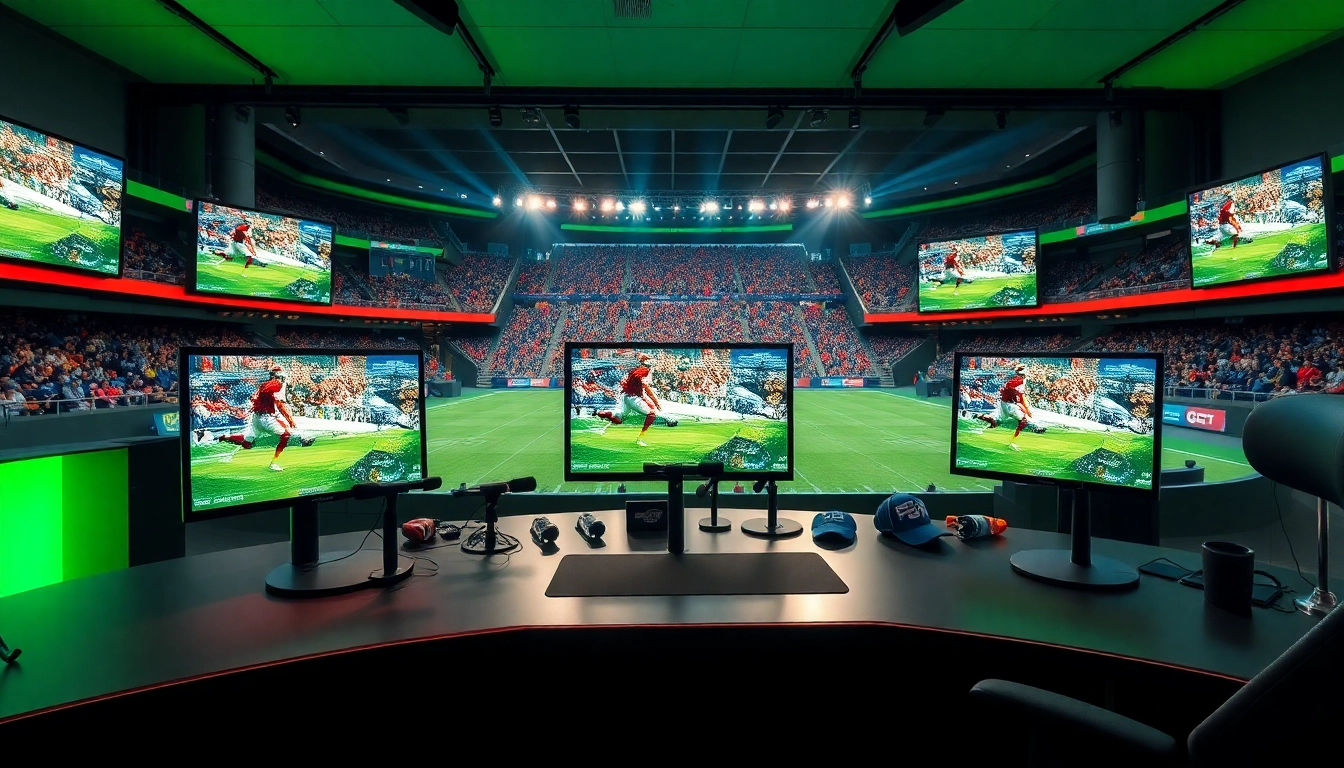
Understanding the Landscape of Sports Broadcasting
Sports broadcasting has evolved significantly over the decades, transforming from live radio broadcasts to the current era of high-definition streaming and interactive experiences. This evolution reflects changes in technology, audience preferences, and the overall media landscape. As you dive into the various aspects of Sports Broadcasting, it’s essential to examine the historical context, identify key players in the industry, and understand how technology has reshaped the way fans engage with their favorite sports.
The Evolution of Sports Broadcasting
Sports broadcasting began in the early 20th century with radio stations providing live commentary, allowing fans to listen to games from afar. The advent of television in the mid-20th century revolutionized the industry, bringing sports directly into the living rooms of fans. Major events, such as the Super Bowl and the World Series, attracted millions of viewers, creating a cultural phenomenon around sports consumption. The rise of cable television in the 1980s and 1990s further expanded the availability of sports programming, leading to the establishment of dedicated sports networks.
In the 21st century, the landscape of sports broadcasting has transitioned into a digital-first approach. With the emergence of the internet, streaming platforms have given rise to new ways for fans to watch games live, on-demand, and on multiple devices. Broadcasters now prioritize providing engaging content that resonates with fans, such as highlights, behind-the-scenes access, and in-depth analysis. As we witness this ongoing transformation, it is critical to appreciate how these changes have enhanced the viewing experience and how they continue to influence audience engagement.
Key Players in the Industry
The sports broadcasting industry is characterized by a variety of key players, including broadcasting networks, streaming platforms, sports leagues, and advertisers. Major television networks, such as ESPN and NBC Sports, have long dominated the arena, often holding exclusive rights to significant sporting events. However, the arrival of streaming giants, such as Amazon Prime Video and DAZN, has created a highly competitive landscape, leading to partnerships and collaborations with traditional networks.
Sports leagues, including the NFL, NBA, and MLB, play a crucial role in shaping broadcasting strategies. They negotiate television deals and often have their own networks, ensuring the distribution of content to maximize viewership and revenue. Advertisers also contribute significantly, as they seek to connect with audiences during pivotal moments in sports programming, tailoring their campaigns to engage with specific demographics and maximize brand exposure.
Impact of Technology on Sports Broadcasting
Technology has been a driving force behind the evolution of sports broadcasting. The introduction of high-definition (HD) and 4K resolution television has elevated the viewing experience, making games more immersive for fans. Furthermore, advancements in streaming technology allow broadcasters to deliver content with minimal latency, ensuring a smooth and enjoyable experience for viewers watching live events online.
Interactive features have also transformed the viewer experience. Technologies such as Augmented Reality (AR) and Virtual Reality (VR) are gradually being integrated into broadcasts, allowing fans to engage with the game in unique ways. Imagine watching a match where you can access real-time statistics and player bios through your augmented reality headset, enriching your understanding of the game. Additionally, social media platforms enhance viewer interactions, providing fans with opportunities to discuss events and share their experiences in real time.
Core Components of Effective Sports Broadcasting
Live Event Coverage Essentials
Effective live event coverage is the cornerstone of successful sports broadcasting. It begins with a well-coordinated production team that includes directors, camera operators, and commentators working together to deliver a seamless viewing experience. To accomplish this, broadcasters must ensure high-quality video and audio, coupled with timely and accurate commentary that adds value to the live event.
Additionally, the choice of camera angles and the use of graphics play a crucial role in keeping viewers engaged. Innovative camera placements, such as drones and cable-suspended cameras, provide fans with novel perspectives of the game. Coupled with real-time stats and animations, broadcasters can enhance storytelling and keep audiences captivated throughout the event.
Integrating Viewer Interaction
Viewer interaction is increasingly essential in today’s sports broadcasting environment. Engaging the audience through social media, live polls, and interactive graphics fosters a sense of connection between fans and the events they love. Broadcasters can use platforms like Twitter and Instagram to solicit feedback, share behind-the-scenes content, and create a dynamic dialogue around their broadcasts.
Incorporating technology-driven interactivity, such as allowing viewers to choose camera angles or access exclusive commentary options, can significantly enhance the viewing experience. This level of engagement empowers viewers, making them feel like they're part of the action rather than passive observers.
The Role of Analytics in Sports Broadcasting
Analytics has emerged as a game-changer in sports broadcasting, providing deep insights that enhance both gameplay and viewer experience. Broadcasters use data to analyze player performance, audience behavior, and market trends. Access to analytics helps commentators provide informed analysis and context during broadcasts, enriching the narrative of games.
Moreover, analytics enable broadcasters to deliver targeted advertising, ensuring that brands reach their intended audience effectively. By understanding audience demographics and preferences, broadcasters can create compelling sales pitches that resonate with viewers, ultimately maximizing revenue and engagement.
Challenges Faced in Sports Broadcasting
Addressing Viewership Declines
Despite the growth of new technologies, sports broadcasters are increasingly concerned about declining viewership in traditional media. Factors such as the rise of digital entertainment and changing consumer preferences have shifted audience attention away from traditional broadcasts. To address this challenge, broadcasters must adapt their strategies and enhance their offerings to appeal to the evolving audience.
Investing in quality content, adopting innovative broadcasting methods, and encouraging social media interaction can foster viewer interest. Additionally, creating exclusive digital content for platforms such as YouTube or TikTok can engage younger audiences and drive traffic back to traditional broadcasts.
Navigating Licensing and Broadcast Rights
Navigating the complex landscape of licensing and broadcast rights is another significant challenge for sports broadcasters. Securing rights to air major sporting events often requires substantial financial investments and intricate negotiations. Competition among broadcasters intensifies as they vie for exclusive rights to popular leagues, leading to inflated prices and potential financial risk.
To mitigate risk, broadcasters must assess their audience reach and engagement potential, exploring creative partnerships or co-broadcasting arrangements. Increasing transparency in negotiations and being proactive about audience engagement can also help attract and retain valuable broadcasting rights.
Maintaining Quality During High-Demand Events
High-demand events, such as the Olympics or the Super Bowl, present unique challenges for broadcasters. The surge in viewership can strain resources and infrastructure, leading to potential service outages or reduced quality. To maintain broadcast quality during these peak times, broadcasters must implement robust back-end support systems and contingency plans.
Through pre-event testing and stress simulations, broadcasters can identify weaknesses in their systems and ensure they have adequate backup resources to deal with unexpected surges in traffic. Collaborating with technology providers to enhance stability can also support a seamless broadcast experience during high-stakes events.
Best Practices for Engaging Audiences
Utilizing Social Media for Enhanced Reach
Social media has become an invaluable tool for sports broadcasters seeking to enhance audience reach and engagement. By actively promoting live events, sharing highlights, and interacting with fans, broadcasters can foster a vibrant online community. Implementing strategies such as live-tweeting during games or creating shareable content helps amplify messaging and generates excitement.
Additionally, incorporating user-generated content can strengthen viewer connection. Encouraging fans to share their experiences, pictures, or comments during broadcasts creates a sense of belonging and helps build loyalty around specific sports or leagues.
Creating Compelling Narrative Experiences
Creating compelling narratives around sports not only captivates audiences but also deepens viewer involvement. Effective storytelling includes highlighting player journeys, major events, and the emotional highs and lows of competition. Broadcasters should prioritize deep-dive features that provide rich backgrounds while balancing live action with powerful narrative experiences.
Utilizing innovative editing techniques, including flashbacks, player interviews, and expert insights, can elevate storytelling. Ultimately, capturing the human elements of sports brings a layer of depth that resonates with audiences, making them more invested in the outcomes of events.
Leveraging Influencer Partnerships
Influencer partnerships can provide valuable avenues for expanding reach and improving engagement with younger audiences. Collaborating with athletes, sports analysts, and content creators who have substantial followings can help broadcasters generate buzz around their programming. Influencers can promote upcoming events, share personal experiences, or offer unique commentary that resonates with their audience.
To maximize impact, broadcasters should seek influencers whose values align with their brand, ensuring authenticity throughout the collaboration. This sincere connection can lead to a stronger viewer response and encourage new audiences to engage with the broadcasts.
Future Trends in Sports Broadcasting
The Growth of Streaming Services
The growth of streaming services has fundamentally altered the landscape of sports broadcasting. More fans are opting for flexible on-demand viewing experiences over traditional cable subscriptions. This shift presents both opportunities and challenges for sports broadcasters seeking to monetize their content successfully.
As the market becomes increasingly crowded, broadcasters must find innovative ways to differentiate themselves. Diversifying content through documentaries, podcasts, and behind-the-scenes footage can attract viewers seeking deeper connections with their favorite sports and athletes.
Innovations in Viewer Experience Technology
Emerging technologies promise to redefine viewer experiences in sports broadcasting. Wearable devices and pod-based viewing systems allow fans to customize their experience further, offering tailored content that goes beyond the traditional broadcast. The proliferation of AI-driven analytics will pave the way for hyper-personalized viewing experiences where viewers choose what and how they consume content.
As technology continues to evolve, integrating these innovations into broadcast strategies will be vital for staying competitive and meeting the needs of modern audiences.
Predictions for the Next Decade of Sports Broadcasting
As we look toward the future, the next decade of sports broadcasting will likely be characterized by further convergence of platforms, increased interactivity, and unprecedented levels of audience engagement. Advances in AI and machine learning will streamline production processes and empower real-time viewer interaction, driving brands and fans closer together.
Collaborative experiences, virtual sports events, and enhanced fan engagement through AR and VR are on the horizon, poised to create new interactive landscapes for sports. Broadcasters that adapt quickly to these shifts will define the new standard for what effective sports broadcasting can be.
Frequently Asked Questions
What is sports broadcasting?
Sports broadcasting refers to the live transmission of sporting events and related content via television, radio, or online streaming platforms, allowing fans to follow their favorite sports and teams.
How has technology changed sports broadcasting?
Technology has enhanced sports broadcasting through high-definition video, real-time analytics, interactive features, and social media integration, improving viewer engagement and experience.
What are the key challenges faced by sports broadcasters?
Key challenges include combating viewership declines, navigating licensing rights, and maintaining broadcast quality during high-demand events.
Why is audience engagement important in sports broadcasting?
Audience engagement helps to build loyalty, enhances viewership, and enables broadcasters to tailor their content to meet viewer preferences, driving revenue and brand loyalty.
What can we expect for the future of sports broadcasting?
The future of sports broadcasting is likely to see a rise in streaming services, personalized viewer experiences, and greater integration of new technologies like AI and AR, enhancing fan engagement.